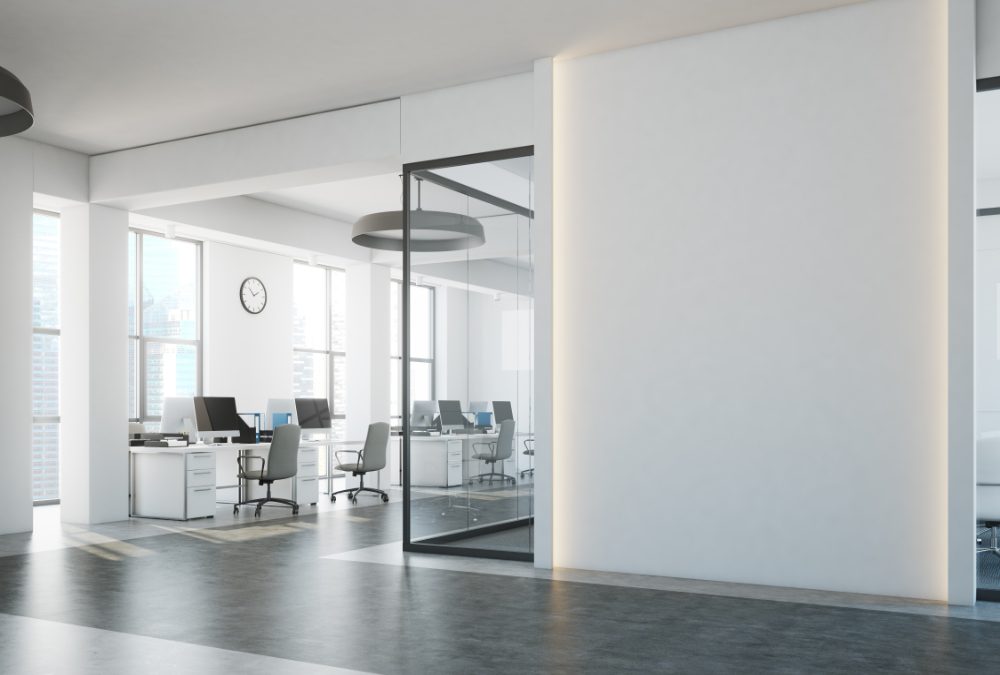
The modern workplace has undergone a dramatic transformation over the past several years, and in 2026, the stakes for getting your office design right have never been higher. Companies across the country, from startups in Austin to established firms in Rochester, NY, are rethinking how their physical spaces influence the people who work in them. The connection between smart office layouts and measurable business outcomes is no longer theoretical. It is backed by data, driven by necessity, and visible in the results that forward-thinking organizations are achieving right now.
If you are a business owner, facilities manager, or commercial tenant planning a build-out, understanding how office design trends in 2026 affect your team’s productivity and retention could be one of the most important investments you make this year.
1. The Psychology Behind Smart Office Layouts
Space shapes behavior. That is not a new idea, but the depth of understanding businesses now have about this relationship is unprecedented. Smart office layouts in 2026 are designed with human psychology at the forefront, accounting for how light, noise, movement, and spatial arrangement affect focus, mood, and collaboration.
Open floor plans were once celebrated as the pinnacle of modern office design, but years of research revealed a more nuanced picture. Constant noise and lack of privacy were found to reduce concentration and increase stress. The most effective offices today blend open collaborative zones with quiet, enclosed spaces where employees can focus without distraction. This balance acknowledges that different types of work require different environments, and that giving employees control over where and how they work leads to higher satisfaction and output.
Biophilic design principles have also become central to smart office layouts. Incorporating natural light, indoor plants, living walls, and views of the outdoors has been shown to reduce stress and improve cognitive function. In cities like Rochester, NY, where winters can be long and gray, maximizing natural light and integrating greenery into commercial tenant build-outs is not just aesthetically pleasing. It is a measurable contributor to employee well-being and retention.
2. Tech-Integrated Office Spaces Are Redefining Workflow
One of the most significant office design trends of 2026 is the seamless integration of technology into the physical workspace. Tech-integrated office spaces go far beyond simply having fast Wi-Fi and plenty of charging ports. They use sensors, AI-driven systems, and connected infrastructure to create environments that adapt to the needs of the people inside them.
Smart lighting systems automatically adjust brightness and color temperature based on the time of day and the tasks being performed. Occupancy sensors track how different areas of the office are used throughout the day, giving facilities managers real data to optimize space allocation. Automated climate control systems maintain comfortable temperatures without requiring manual adjustments, eliminating one of the most common workplace complaints.
Conference rooms in tech-integrated office spaces are equipped with seamless video conferencing setups, interactive displays, and one-touch scheduling systems that eliminate the friction of booking and joining meetings. Desk-booking platforms allow hybrid workers to reserve their preferred workstations in advance, ensuring they have everything they need when they come in. These technologies do not just make the office more convenient. They signal to employees that their time and comfort are valued, which has a direct impact on morale and retention.
For businesses planning commercial tenant build-outs in Rochester, NY and beyond, investing in tech-integrated infrastructure during the build-out phase is significantly more cost-effective than retrofitting it later. Working with design and construction partners who understand these systems from the ground up is essential for getting the most value out of every square foot.
3. Sustainable Workplace Design as a Retention Tool
Sustainable workplace design has moved well beyond energy-efficient light bulbs and recycling bins. In 2026, it is a comprehensive philosophy that shapes every decision in the design and construction process, from the materials used in flooring and wall finishes to the HVAC systems that regulate air quality.
Employees, particularly those in younger generations, increasingly want to work for companies whose values align with their own. A workplace that demonstrates a visible commitment to sustainability communicates something powerful about an organization’s culture and priorities. This matters enormously in a competitive hiring environment where talented professionals have choices.
Sustainable workplace design in smart office layouts includes the use of low-VOC (volatile organic compound) paints and adhesives, which improve indoor air quality and reduce headaches and respiratory issues. It includes energy management systems that reduce the building’s carbon footprint while also lowering operating costs. It includes water-efficient fixtures, responsibly sourced materials, and designs that reduce waste during the construction phase itself.
For commercial tenant build-outs in markets like Rochester, NY, pursuing certifications such as LEED or WELL can serve as a tangible signal to current and prospective employees that the company takes its environmental responsibilities seriously. These certifications also often translate into real financial benefits through reduced utility costs and potential tax incentives. Sustainable workplace design is not just the right thing to do. It is a strategic advantage in attracting and keeping the talent you need.
4. Flexible Layouts Support Hybrid Work and Team Dynamics
The hybrid work model is no longer an experiment. It is the standard for a large portion of the professional workforce in 2026. Smart office layouts have had to evolve to support a reality where the office is not where all work happens, but where the most valuable collaborative and cultural work happens.
This shift has significant implications for how space is allocated and designed. Traditional rows of assigned desks have given way to activity-based working environments where the space itself is divided into zones tailored for different types of tasks. There are zones for heads-down focused work, zones for informal collaboration and brainstorming, zones for private calls and video meetings, and social zones that encourage the kinds of spontaneous interactions that build team culture.
Flexibility is also built into the furniture and infrastructure. Modular furniture systems can be reconfigured as team sizes and needs change. Movable walls and partitions allow a single floor plate to serve multiple purposes throughout the day. This adaptability protects the long-term value of a commercial tenant build-out by ensuring the space can evolve alongside the business without requiring a complete overhaul.
For businesses in Rochester, NY considering new office leases or renovations, investing in flexible, activity-based layouts as part of their overall office design trends strategy ensures they are not designing for today’s headcount, but for tomorrow’s growth.
5. The ROI of Smart Office Layouts on Employee Retention
Ultimately, every design decision in a commercial office space has a financial dimension. The cost of employee turnover is substantial, often estimated at a significant multiple of an employee’s annual salary when you factor in recruiting, onboarding, and lost productivity. A smart office layout is one of the most powerful tools a company has to reduce that turnover by creating an environment where people genuinely want to show up.
Employees who feel comfortable, supported, and proud of their workspace are more engaged. Engaged employees are more productive, less likely to leave, and more likely to advocate for their employer in the talent market. The office itself becomes a recruitment asset, a place that communicates quality, care, and ambition to every candidate who walks through the door.
In 2026, smart office layouts in cities like Rochester, NY are being designed with this full picture in mind. The most successful commercial tenant build-outs are those where sustainable workplace design, tech-integrated office spaces, flexible layouts, and human-centered psychology all come together in a cohesive vision.
Work Environment: Where People Feel Valued, Focused, Connected.
Office design trends in 2026 reflect a deeper understanding of what employees need to thrive. Smart office layouts are not just about aesthetics or efficiency. They are about creating environments where people feel valued, focused, and connected to a shared purpose. For businesses in Rochester, NY and across the country, investing in thoughtful, tech-integrated, and sustainable commercial tenant build-outs is one of the clearest paths to stronger productivity and long-term retention.