Have a new home building budget with limitations? Expert space planning will help rein in costs. As you design, budget, and build your new home, here are tips to make good space planning a reality rather than science fiction.

2001 Space Odyssey
Living space is expensive. Builders charge by the square foot. Build only what you need and use regularly rather than letting your budget get Lost in Space. Consider where family and guests congregate. Formal living and dining rooms are out. With kitchens the new gathering space, promote Contact with an open floor plan (between kitchen, dining, great room) that makes superior use of square footage. Include an island allowing traffic circulation that peninsulas prevent. Open plans suit family/entertaining needs better than smaller, clearly delineated rooms.
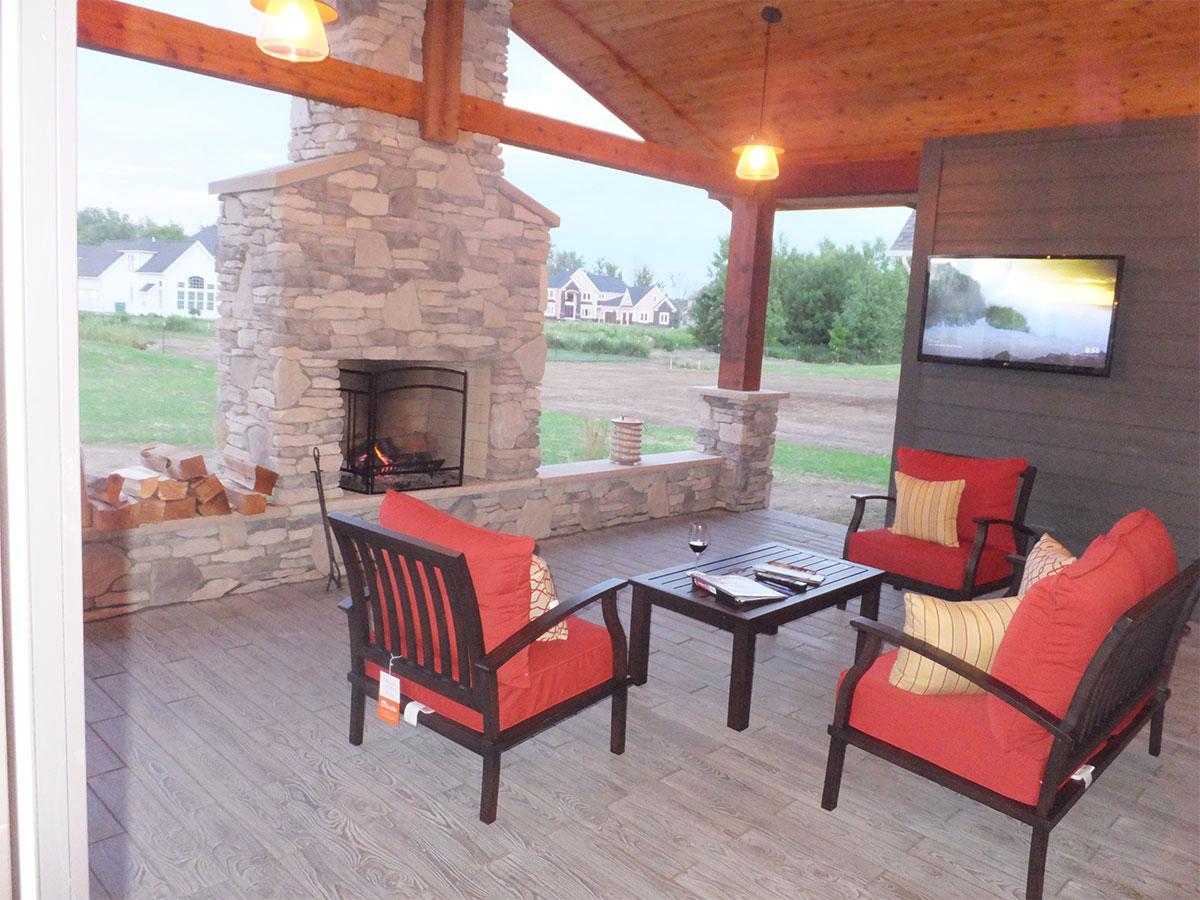
Carini Designed Outdoor Living Space
Need some Serenity after all that togetherness?
Include a separate room for quiet away from the main hub of activity. Expand living space by creating outdoor “rooms” with covered patio, deck, or lanai. In cold climates, include a built-in fire pit. Outdoor living areas increase home enjoyment and provide part-time extra living space. Instead of a bedroom for each of the kids, big families should consider doubling up to keep the house plan from getting unwieldy. Unless your relationships resemble Star Wars, shared bedrooms and bathrooms are The Right Stuff for family homes.
Examine this design budget Primer of things to ponder:
-
Acknowledge Facts:
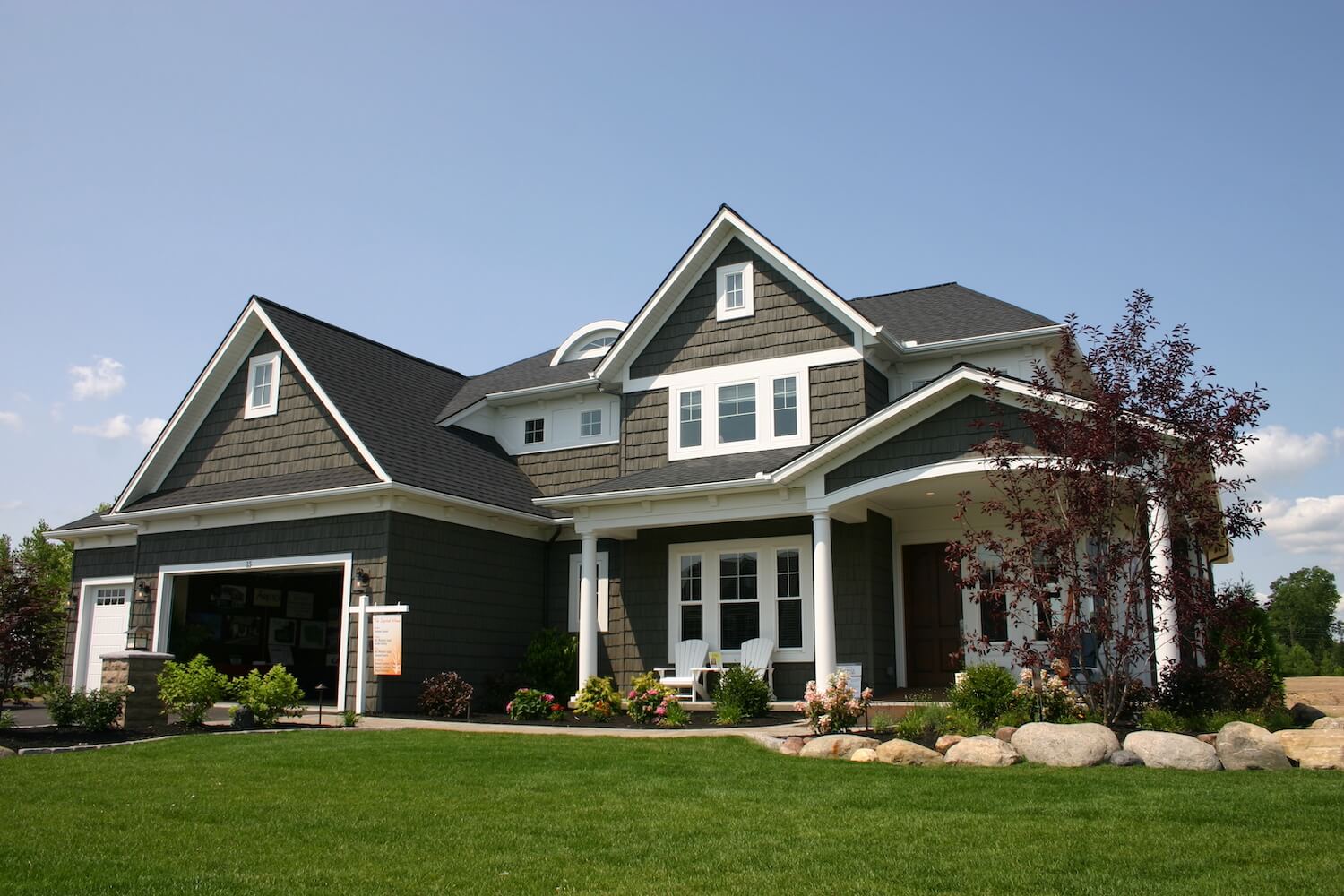
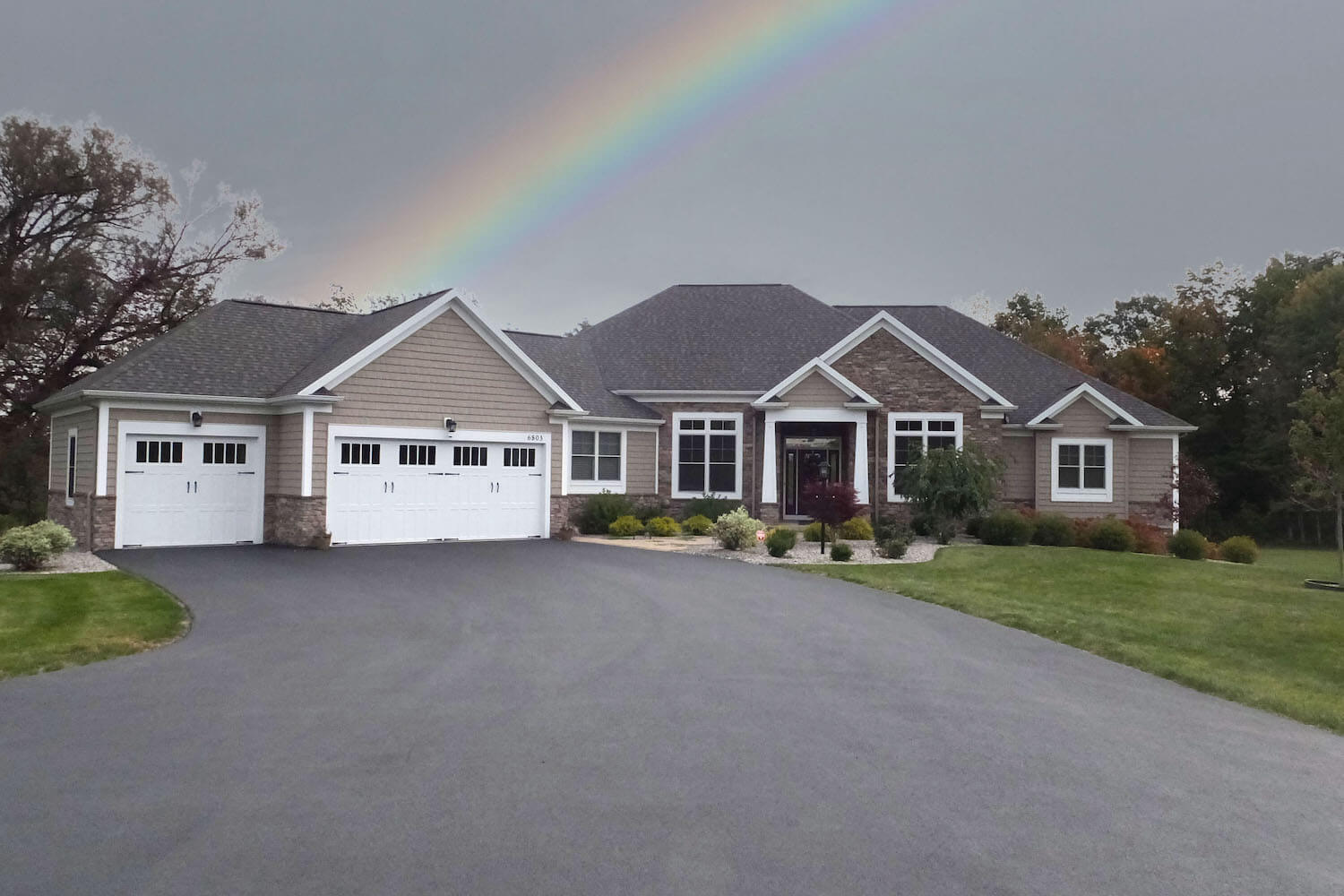
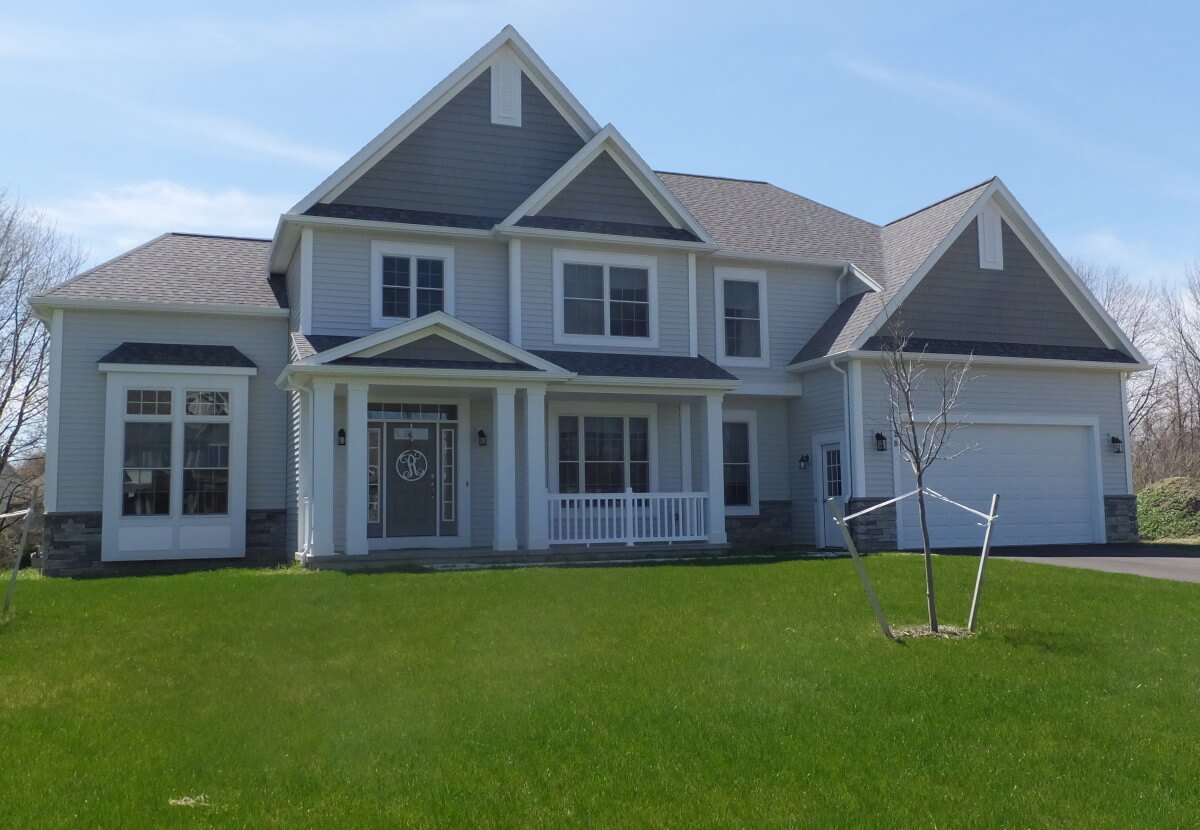
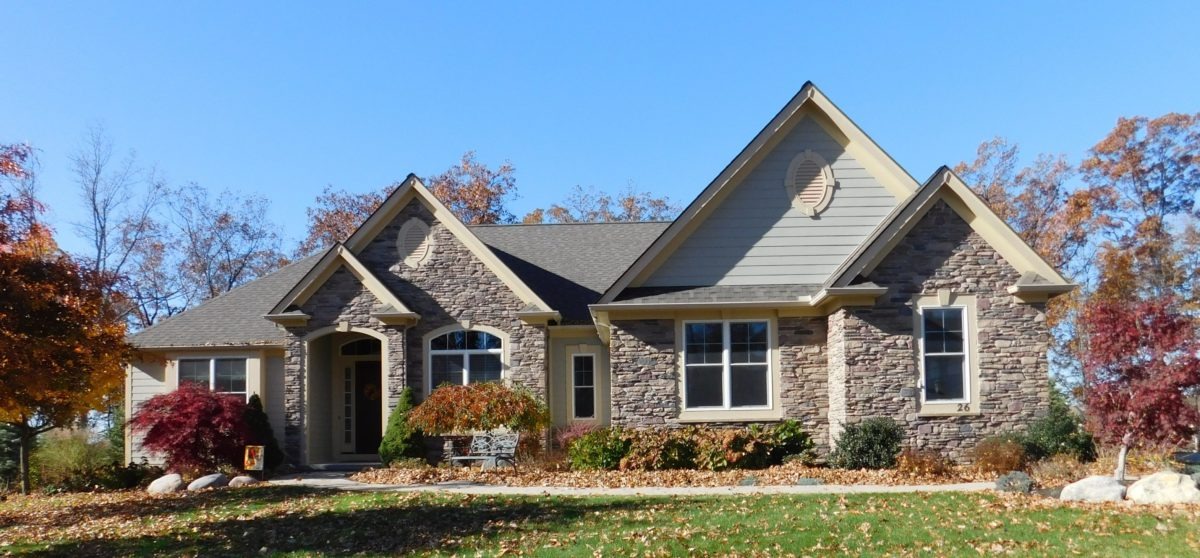
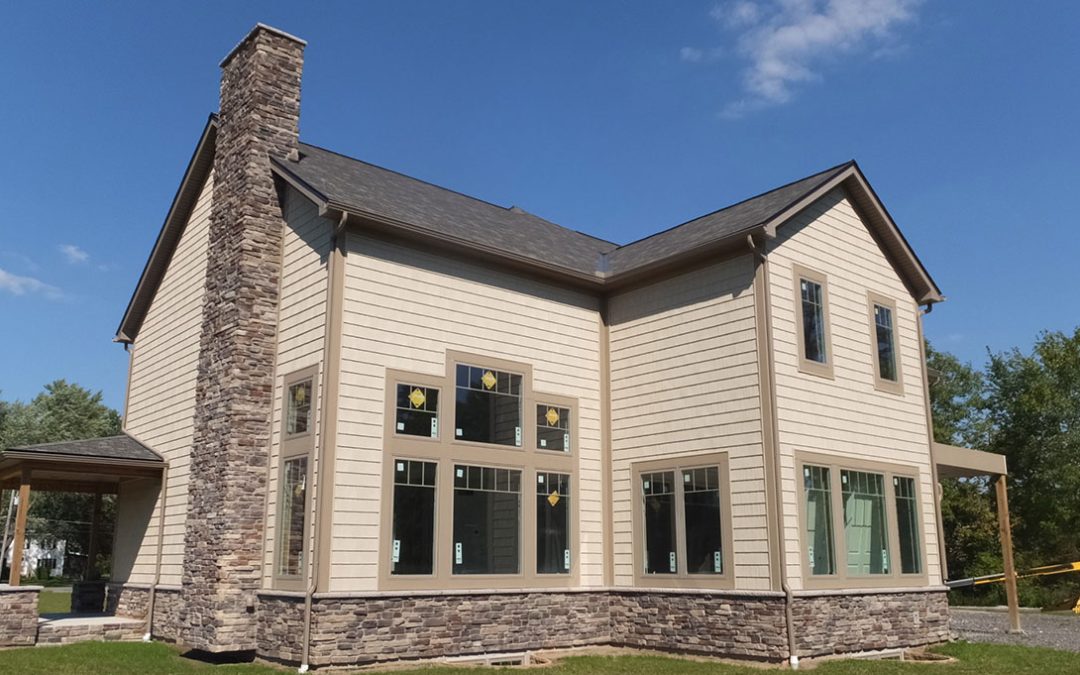
The most economical use of space occurs in 2 story colonials. Compact design reduces basement and roof size and expense. Cape Cods (without pricey dormers) can be cost effective too. Try skylights instead for light. Sprawling designs with multiple roof lines cost more now and, in repairs, later. A clever designer can turn “boxy” into “beautiful” with the less expensive visual appeal of pilasters, window/door pediments, larger overhangs, brick/stone veneers, shutters and divided lights. Box windows cost less than bay windows yet add architectural variety to flat elevations.
-
Begin early:
From Inception to completion, architectural plans take anywhere from 2 weeks to 2 months to finish. Home building takes longer. Approach your designer in fall or winter when she may have more time for your project. Hiring a builder with house plans in hand before the spring season begins will expedite your construction start.
-
Communicate clearly:
Detailed communication with your designer, including pictures and lists of desired features, can foster a Matrix where good plans do develop. Remember, don’t waste your project’s billable time with indecision or multiple changes. E-mail rather than expect additional meetings. Also, listen to good advice. Everything you want in a house may not be affordable, but an ethical designer will prioritize needs versus wants and honestly confront design challenges.
Back to the Future?
Can’t go back in time to correct design omissions? Design smart by predicting future needs. Though not always the cheapest option, planning for the future pays dividends. Building a home you’ll never want to leave? Or hope to Up its resale value? Universal accessibility features are in high demand. No step entries, 36” wide doorways, and a first floor bedroom suite may make your house a place you can stay throughout your golden years or be a major selling point. A lowered counter in kitchen/bath with recessed cabinet makes it kid or wheelchair friendly. Forego a bathtub in the master suite; consider a zero threshold shower. If you still like the tub idea, a whirlpool might be something more usable now and add value in the resale market.

Expecting greater space needs in the future? Perhaps you’d like to delay the cost of additional living space? Consider a basement finish plan. Here are benefits to designing it now rather than later:
- Spend less to have basement finish plans included with house design. Basement finish plans cost less than upstairs space per square foot. Done later, the execution of plans may take longer or be charged at a higher rate.
- Save money by getting plumbing roughed out in the right areas of your basement for future finish. Hiring The Terminator to jackhammer concrete for removal or installation of plumbing proves costly later.
- Build smart with basement egress windows installed with initial construction instead of adding the expense later. (Code now requires 1 egress window in an unfinished basement.) Making your basement a Sleeper? Basement bedrooms require an egress window in each. Finishing a basement proves less expensive than building an addition. Make subterranean rooms more livable by utilizing a sloped yard to design a daylight/walkout basement. Hire a reputable engineer for soil testing/perc tests so you can build a foundation for good drainage and dry future living space.
Expected Trends: Flexible use rooms. Flex rooms may be rooms that convert to other uses as your family changes or rooms designed for several purposes at once. A study with a wide doorway and an attractive work table could multi-task as a hobby room. Open the doors and use that room as a holiday banquet. Today’s playroom could become tomorrow’s guest bedroom with a Murphy bed hidden in the wall. Rooms can be planned for multiple purposes with an eye to the future and reducing wasted space.
Media rooms in finished basements. You might be ready for a movie now with all the latent references to space/Sci-Fi flicks. Even on a budget, a projected future home theater could be part your basement finish. Delayed gratification, though not the fodder of movies, is an achievable aspect of keeping your building plans on budget.