Designing the interior of a home is both an art and a science. It blends creativity with functionality, style with practicality, and emotion with logic. Whether you are starting an entire home renovation or simply upgrading a single room, a well-thought-out plan ensures that your vision becomes reality. Effective interior space planning is the foundation of a beautiful, livable environment. Here is a step-by-step guide that walks you through the expert approach to planning interior design for any room.
Assess the Space and Understand Its Purpose
Every interior design project begins with a clear understanding of the room’s purpose. Before considering the visual aesthetic – finishes to use and style to implement – take time to evaluate the function of the room.
Begin by identifying what is not working in the space and make functional goals. Sometimes the dream house that you bought is no longer serving your family and your needs. Or the fixer upper you invested in needs more than cosmetic changes.
There may be no space for a full mud room, but the coats and shoes need to have a place. Empty nesters often want to transition a child’s bedroom into an office or a formal guest bedroom. The large, open concept floor plan isn’t working anymore for the work-from-home parent who needs more physical separation from other family members during work hours.
Next, understand the physical constraints of the space. Measure the overall size of the room, note the height of the ceiling, the size and location of windows, and the placement of doors, outlets, and vents.
Oftentimes structural engineers, architects, and/or interior designers will need to get involved to help your dream turn into reality. But it’s always you who knows your space best and what you need from your space. Your home should serve you.
Set a Clear Budget and Timeline
Planning your budget is one of the most important parts of any home renovation. Interior design costs can escalate quickly without a well-defined financial framework. Your budget should account for furniture, materials, labor, lighting, accessories, drawings and permits, if required. Also, consider contingency funds for unexpected expenses, which are common in residential renovations.
Timelines are equally vital, though sometimes out of your control. Factor in lead times for ordering furniture and material finishes (like flooring and wallcoverings), for construction schedules and any professional services you may need. Whether doing it yourself or hiring professionals, establish target deadlines for each phase, such as purchasing, installation, and finishing. Whether your project is part of a comprehensive remodel or a single-room update, time management helps prevent stress and delays.
Sticking to your budget and timeline requires discipline, but it also gives you freedom. Knowing your limits allows you to focus your energy on choices that matter most, eliminating unnecessary distractions and impulse purchases.
Review, Revise, and Finalize the Layout
Now that you have identified functional needs to be met, budgets and timelines, don’t skip ahead to finishes and mood boards before finalizing a layout. Determining your layout is the most important thing to do to prevent over-designing and to deal with space constraints. Your layout includes anything in the floor area of your home – walls, furniture placeholders, appliances and built-ins – all need to be considered in this step. Using a professional architect or designer streamlines the process.
Design professionals have the skills and tools to efficiently realize your ideas on paper, or in 3D, with the best space utilization to meet your goals, as well as introducing evidence and experience based solutions to your home’s challenges. It’s also important to know that professional stamped plans may be required for a building permit, depending on the area in which you live or the extent of changes planned.
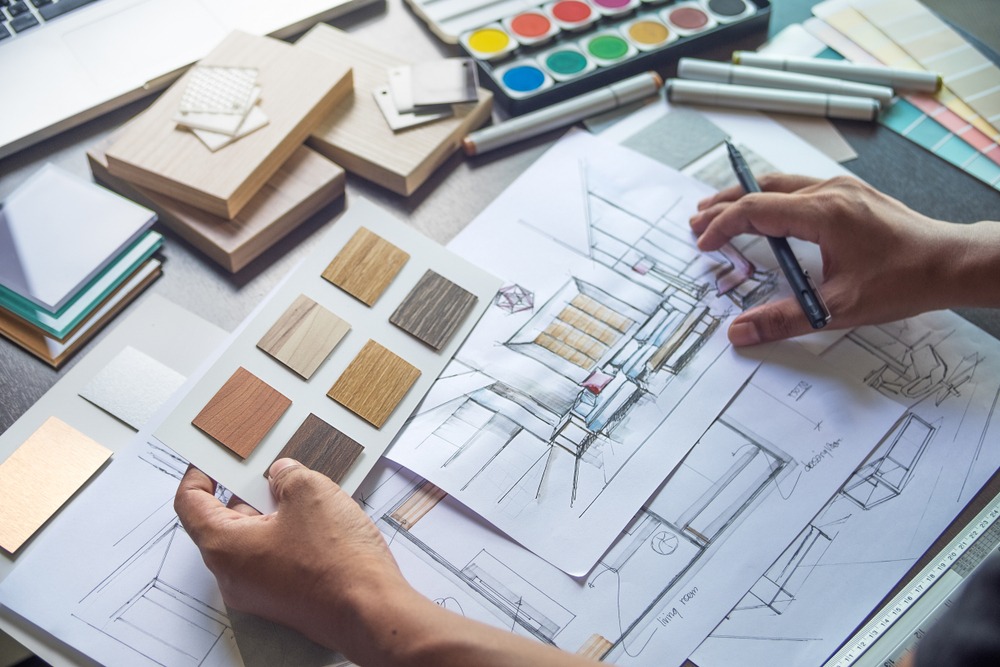
If you don’t need a permit for the work being done and want to try this step yourself, use digital design tools or simple sketches to visualize the final layout. Walk through the space mentally or physically to test how it flows. Make sure to view the layout in light of your goals – everything goes back to how you want the space to function and feel.
Do not be afraid to make adjustments and spend time on this step. Moving a wall, adding a built-in or rearranging furniture can dramatically improve balance and harmony. And it can all be done on paper or the computer first.
Create a Concept and Choose a Style
Finally, after the space is laid out, it is time to dive into the creative process. Interior design thrives on vision. Start by curating a mood board. Use photos, fabric samples, magazine clippings, or digital tools to collect ideas that reflect the atmosphere you want to create. Whether your style leans toward minimalist, rustic farmhouse, or mid-century modern, having a visual reference keeps your decisions consistent.
Consider style, colors and textures, but also consider how you and guests want to feel in each room. For example, do your selections for the bedroom have a calming effect? If your mood board elicits those feelings from you, you’ll know you’re on the right path to making the room successful in both aesthetic and functionality.
Once you’ve identified an aesthetic, feeling, and style, you’ll want to start designing from the floor up. Of course if you have any elements that are staying or a piece of furniture to design around, keep those in mind. But a good designer knows to start with their flooring, wall base, wall, trim, and then ceiling.
Color Theory can be difficult to master but there are also rules that can help guide in selecting colors. Soft tones can make a small space feel open and relaxing, while bold hues can energize a room. Light colors can make a room feel open and airy and make a small room feel larger. Dark colors can make a room feel smaller and more intimate. But color rules can be broken and have great results. Small rooms can be painted dark colors and ceilings don’t have to be white! Materials also play a major role. Natural wood, metal, glass, and fabric textures all contribute to the sensory experience of a space. Your choices should support the lifestyle and mood you intend to foster.
Interior space planning must balance beauty with utility. Make sure your design allows for easy movement and does not overcrowd the room. Since you are curating a space specific to your needs, consider storage options that are both stylish and efficient. In residential remodeling projects, built-in cabinetry, hidden compartments, and multi-functional furniture are often used to optimize tight spaces.
Select Furniture, Fixtures, and Decor
This is where your design starts to come to life. Begin with the larger pieces of furniture that define the room. In a living area, this might be the sofa and coffee table. Choose pieces that match your concept and scale appropriately to the room. Over-sized furniture in a small space can make the room feel cramped, while furniture that is too small can seem lost and ineffective. Also consider what the focal point of the room is and arrange furniture around that, while making sure that furniture and other elements do not deter from the focal point. Properly identifying the focal point, and honoring its hierarchy in the design, will ground your space and give it a “wow” factor.
Next, layer in the fixtures such as lighting, hardware, and window treatments. Well designed spaces use a combination of ambient, task, and accent lighting to create depth and dimension as well as functionality. Wall sconces, pendant lights, and floor lamps each offer unique ways to control ambiance. You’ll also want to consider the direction of the light and the color temperature of the lighting. Do you want the light source to direct light upwards towards your architectural beams in your ceiling or wash your accent wall?
Now add decor that personalizes the room. Throw pillows, artwork, area rugs, plants, and collectibles bring warmth and identity to a space. Accessories should complement the design without cluttering it. The goal of accessorizing in residential interior design is not just to make a room look good but to make it feel like home. When selecting decor, think in terms of texture, contrast, and layering. Even a monochrome color scheme can feel dynamic when various materials and shapes are thoughtfully combined. This step turns a space from functional to inspiring.
Spaces That Reflect Lifestyle
Interior design is more than aesthetics. It is the art of creating spaces that reflect lifestyle, support functionality, and bring joy to daily living. From initial assessment of a room’s purpose to the last step of accessorizing, thoughtful planning is the backbone of a successful design project.
With a defined purpose, realistic budget, clear style, and structured layout, you can transform any room into a beautiful, livable space. Embrace the journey of design as a creative and personal expression, and your home will not only look better but feel better too.

Assess the Space and Understand Its Purpose
Every interior design project begins with a clear understanding of the room’s purpose. Before considering the visual aesthetic – finishes to use and style to implement – take time to evaluate the function of the room.
Begin by identifying what is not working in the space and make functional goals. Sometimes the dream house that you bought is no longer serving your family and your needs. Or the fixer upper you invested in needs more than cosmetic changes.
There may be no space for a full mud room, but the coats and shoes need to have a place. Empty nesters often want to transition a child’s bedroom into an office or a formal guest bedroom. The large, open concept floor plan isn’t working anymore for the work-from-home parent who needs more physical separation from other family members during work hours.
Next, understand the physical constraints of the space. Measure the overall size of the room, note the height of the ceiling, the size and location of windows, and the placement of doors, outlets, and vents.
Oftentimes structural engineers, architects, and/or interior designers will need to get involved to help your dream turn into reality. But it’s always you who knows your space best and what you need from your space. Your home should serve you.
Set a Clear Budget and Timeline
Planning your budget is one of the most important parts of any home renovation. Interior design costs can escalate quickly without a well-defined financial framework. Your budget should account for furniture, materials, labor, lighting, accessories, drawings and permits, if required. Also, consider contingency funds for unexpected expenses, which are common in residential renovations.
Timelines are equally vital, though sometimes out of your control. Factor in lead times for ordering furniture and material finishes (like flooring and wallcoverings), for construction schedules and any professional services you may need. Whether doing it yourself or hiring professionals, establish target deadlines for each phase, such as purchasing, installation, and finishing. Whether your project is part of a comprehensive remodel or a single-room update, time management helps prevent stress and delays.
Sticking to your budget and timeline requires discipline, but it also gives you freedom. Knowing your limits allows you to focus your energy on choices that matter most, eliminating unnecessary distractions and impulse purchases.
Review, Revise, and Finalize the Layout
Now that you have identified functional needs to be met, budgets and timelines, don’t skip ahead to finishes and mood boards before finalizing a layout. Determining your layout is the most important thing to do to prevent over-designing and to deal with space constraints. Your layout includes anything in the floor area of your home – walls, furniture placeholders, appliances and built-ins – all need to be considered in this step. Using a professional architect or designer streamlines the process.
Design professionals have the skills and tools to efficiently realize your ideas on paper, or in 3D, with the best space utilization to meet your goals, as well as introducing evidence and experience based solutions to your home’s challenges. It’s also important to know that professional stamped plans may be required for a building permit, depending on the area in which you live or the extent of changes planned.
If you don’t need a permit for the work being done and want to try this step yourself, use digital design tools or simple sketches to visualize the final layout. Walk through the space mentally or physically to test how it flows. Make sure to view the layout in light of your goals – everything goes back to how you want the space to function and feel.
Do not be afraid to make adjustments and spend time on this step. Moving a wall, adding a built-in or rearranging furniture can dramatically improve balance and harmony. And it can all be done on paper or the computer first.
Create a Concept and Choose a Style
Finally, after the space is laid out, it is time to dive into the creative process. Interior design thrives on vision. Start by curating a mood board. Use photos, fabric samples, magazine clippings, or digital tools to collect ideas that reflect the atmosphere you want to create. Whether your style leans toward minimalist, rustic farmhouse, or mid-century modern, having a visual reference keeps your decisions consistent.
Consider style, colors and textures, but also consider how you and guests want to feel in each room. For example, do your selections for the bedroom have a calming effect? If your mood board elicits those feelings from you, you’ll know you’re on the right path to making the room successful in both aesthetic and functionality.
Once you’ve identified an aesthetic, feeling, and style, you’ll want to start designing from the floor up. Of course if you have any elements that are staying or a piece of furniture to design around, keep those in mind. But a good designer knows to start with their flooring, wall base, wall, trim, and then ceiling.
Color Theory can be difficult to master but there are also rules that can help guide in selecting colors. Soft tones can make a small space feel open and relaxing, while bold hues can energize a room. Light colors can make a room feel open and airy and make a small room feel larger. Dark colors can make a room feel smaller and more intimate. But color rules can be broken and have great results. Small rooms can be painted dark colors and ceilings don’t have to be white! Materials also play a major role. Natural wood, metal, glass, and fabric textures all contribute to the sensory experience of a space. Your choices should support the lifestyle and mood you intend to foster.
Interior space planning must balance beauty with utility. Make sure your design allows for easy movement and does not overcrowd the room. Since you are curating a space specific to your needs, consider storage options that are both stylish and efficient. In residential remodeling projects, built-in cabinetry, hidden compartments, and multi-functional furniture are often used to optimize tight spaces.
Select Furniture, Fixtures, and Decor
This is where your design starts to come to life. Begin with the larger pieces of furniture that define the room. In a living area, this might be the sofa and coffee table. Choose pieces that match your concept and scale appropriately to the room. Over-sized furniture in a small space can make the room feel cramped, while furniture that is too small can seem lost and ineffective. Also consider what the focal point of the room is and arrange furniture around that, while making sure that furniture and other elements do not deter from the focal point. Properly identifying the focal point, and honoring its hierarchy in the design, will ground your space and give it a “wow” factor.
Next, layer in the fixtures such as lighting, hardware, and window treatments. Well designed spaces use a combination of ambient, task, and accent lighting to create depth and dimension as well as functionality. Wall sconces, pendant lights, and floor lamps each offer unique ways to control ambiance. You’ll also want to consider the direction of the light and the color temperature of the lighting. Do you want the light source to direct light upwards towards your architectural beams in your ceiling or wash your accent wall?
Now add decor that personalizes the room. Throw pillows, artwork, area rugs, plants, and collectibles bring warmth and identity to a space. Accessories should complement the design without cluttering it. The goal of accessorizing in residential interior design is not just to make a room look good but to make it feel like home. When selecting decor, think in terms of texture, contrast, and layering. Even a monochrome color scheme can feel dynamic when various materials and shapes are thoughtfully combined. This step turns a space from functional to inspiring.
Spaces That Reflect Lifestyle
Interior design is more than aesthetics. It is the art of creating spaces that reflect lifestyle, support functionality, and bring joy to daily living. From initial assessment of a room’s purpose to the last step of accessorizing, thoughtful planning is the backbone of a successful design project.
With a defined purpose, realistic budget, clear style, and structured layout, you can transform any room into a beautiful, livable space. Embrace the journey of design as a creative and personal expression, and your home will not only look better but feel better too.